-opt.webp)
A well-designed nurture space can make a real difference for pupils who benefit from social, emotional and mental health support (SEMH support). Getting the design right matters, because how the space looks, feels and functions can massively affect how well it works for the children and staff using it. Let's discuss everything from key design features and examples of what to include in your nurture space, to the benefits of standalone nurture rooms...
What is a nurture space?
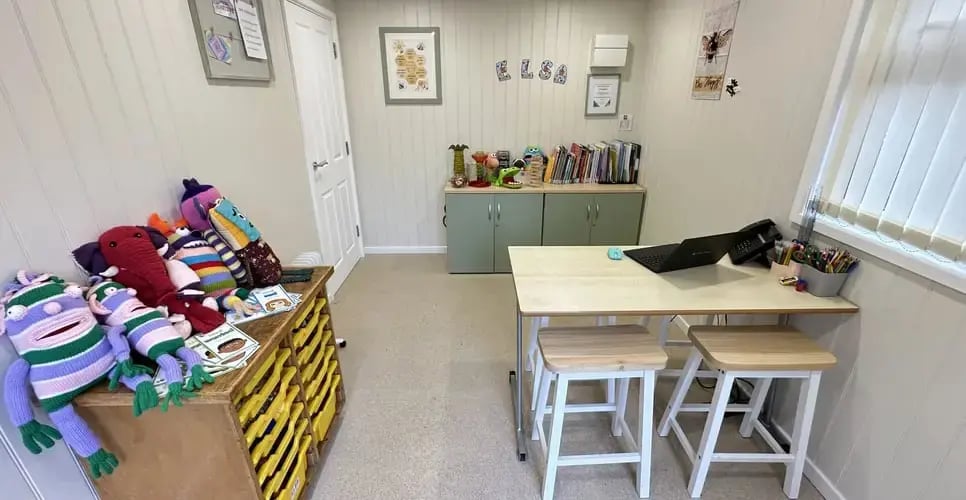
A nurture space is an environment where children can receive SEMH support in a 'safe space'. These spaces help pupils manage feelings, develop coping strategies, and participate in small-group or one-to-one interventions with teaching assistants, learning mentors, or external specialists. Unlike classrooms, nurture spaces are calm, low-stimulus environments prioritising wellbeing and emotional safety.
What are the key design features of Nurture Rooms?
1. Neutral colours
Instead of using bright, busy colour schemes which can be overstimulating for some children, use neutral colours or soft pastels. This is because using a neutral colour scheme will make the nurture space feel more calm and therefore will better support emotional regulation.
2. Accessible resources
Ensure your nurture room offers a variety of calm-down tools, sensory aids, craft materials and other nurture-based resources to support emotional regulation. The space will work best if children can easily access the resources they need, so try to ensure that tools are close to hand (without being cluttered!)
3. Privacy
Designing the space with privacy in mind is key for creating a nurturing environment where children feel safe to relax, open up about their thoughts and feelings and engage in communication or interventions. Having your nurture room in a separate space away from the main school building is a great way to create a safe, private environment where pupils won't have the feeling of being watched or overheard.
4. Soft furnishings
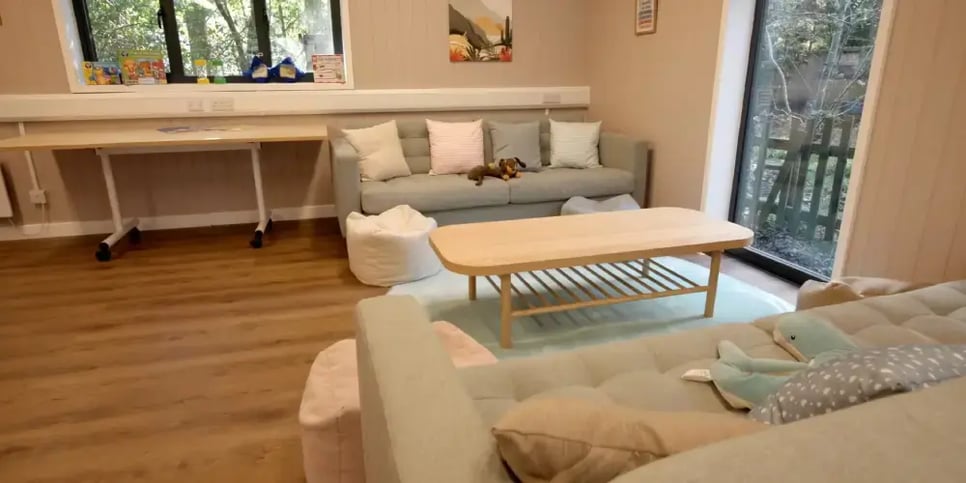
It's a good idea to include sofas, cushions, arm chairs, blankets, rugs and/or beanbags to make the nurture space feel safe, relaxed, and cosy, somewhere children can truly relax and feel open to receiving support.

Examples of what schools include in their nurture spaces
-
Table space for practical activities (drawing, crafts, puzzles or quiet games)
-
Soft, comfortable seating, often grouped together to encourage open conversation
-
A cosy reading corner with accessible books, beanbags and blankets
-
Arts and crafts activities
-
Games which encourage communication
-
Storage cupboards or shelving to keep nurture and support resources tidy
-
Sensory and regulation tools (fidget toys, weighted blankets, textured objects or sensory lighting
-500h.webp?width=966&height=483&name=The%20Place%20Independant%20(16)-500h.webp)
Why separate buildings make the ideal nurture spaces
It's no surprise that schools and educational settings struggle for space within the main building. This typically means that they either have no room for nurture or SEMH support sessions at all, struggle to meet capacity demands, or try to facilitate nurture within inadequate shared classroom spaces or noisy communal areas which aren't designed for nurture. Thankfully, at Cabins for Schools, we can provide the ideal solution for all three of these common struggles! With a separate building expertly designed for nurture and SEMH support, your school can not just create space, but create the right space.
A standalone building designed for nurture and SEMH provision provides a dedicated area for interventions, away from distractions. It also creates a distinct, calming environment that helps children to separate support time from regular lessons, and gives staff a space which is always set up and ready to use. Most importantly, a separate nurture build can be designed properly for its purpose, rather than being compromised by what's already there or forcing an inadequate room in the school to 'make do'.
The best part? Our education building experts can manage the entire process from concept and design to construction and the installation of your perfect nurture environment.
Outdoor classroom nurture hubs
For schools with site constraints or unique requirements, our modular outdoor classrooms provide a fully bespoke solution. We design and manufacture our modular nurture rooms in 10cm increments and finish them with multiple cladding options (zero maintenance Marley, Knotwood, cedar or redwood), allowing the building to fit naturally within the school grounds and giving schools complete control over footprint and siting.

Log cabin nurture spaces
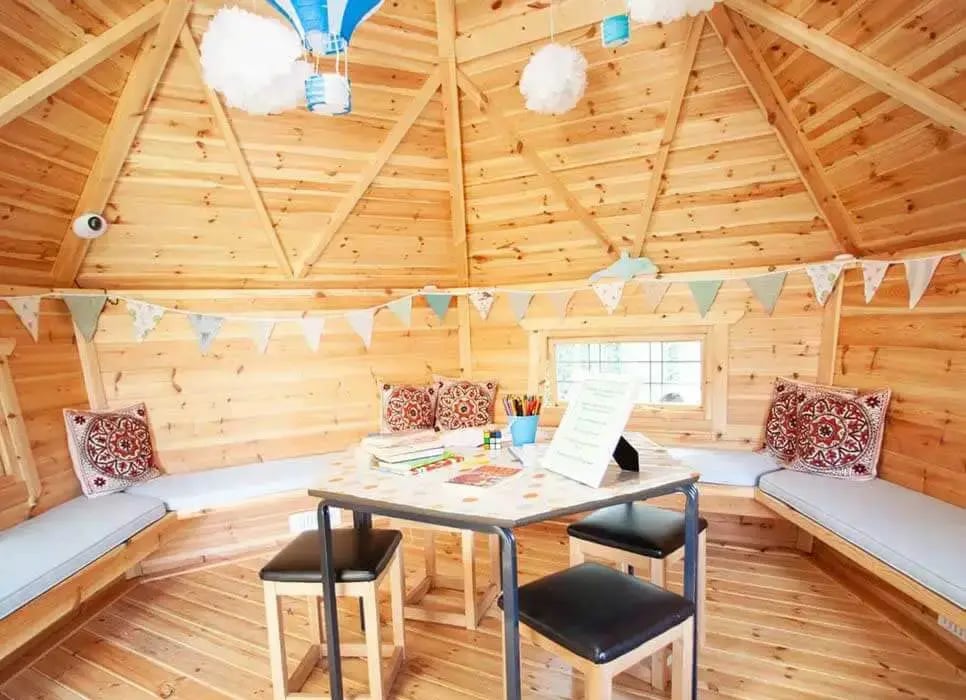
Our Scandinavian-inspired FSC-accredited timber cabins create a calming environment perfect for nurture activities. The timber construction, cosy feel and in the round layout make these spaces feel very different from a traditional classroom within the main school building, which is exactly what many children need. Log cabins are often used as safe, predictable spaces for emotional support, small group interventions and 1:1 sessions. Having circular seating is great for promoting open communication, eye contact and active listening.

Hear from schools we have installed nurture spaces for:
"A space like 'the Warren' is perfect because it's nice, it's quiet, it's self-contained. It is a magical place. It's got a real specialness to it, and I think the children that come in here really feel that it feels different to a classroom. It creates a little bit of a sanctuary away from the school, and we can offer a range of pastoral and inclusive provisions for children who need it. Now that we have the Warren, interventions are structured across the week. There's more open space for the nurture interventions and the inclusive provisions that we've wanted to have across the school week.” - Unta Taiwo, KS2 SENDCo
'Before we had The Pod, I was all over the place. I had a box which I would cart around the whole school! Sometimes, sessions used to take place in the library but this was open plan and so not ideal for the children as they need to have a safe spot where they can open up. Here in the cabin, we have a really nice safe space. I can have all of my resources out and the children can come and help themselves to colouring or craft materials and we can just sit and make things and have a chat. It's great!' - Jo Purkis, Teaching Assistant & ELSA
'Our eco classroom is specially designed to be a nice, small, comforting room with a nurturing feel and so we use it as an opportunity for our social workers to have their own set time and designated space with the children. We use it as a nurture space where students have a familiar place within the school to come to and regulate their emotions or to have positive, nurturing conversations with their social workers. We can bring groups of 10-15 children into a safe space where they can have all of the resources they need. We also bring smaller groups into our eco classroom to cater to the children identified as benefitting from learning in smaller groups sizes.' - Mrs McDaniel, Assistant Principal
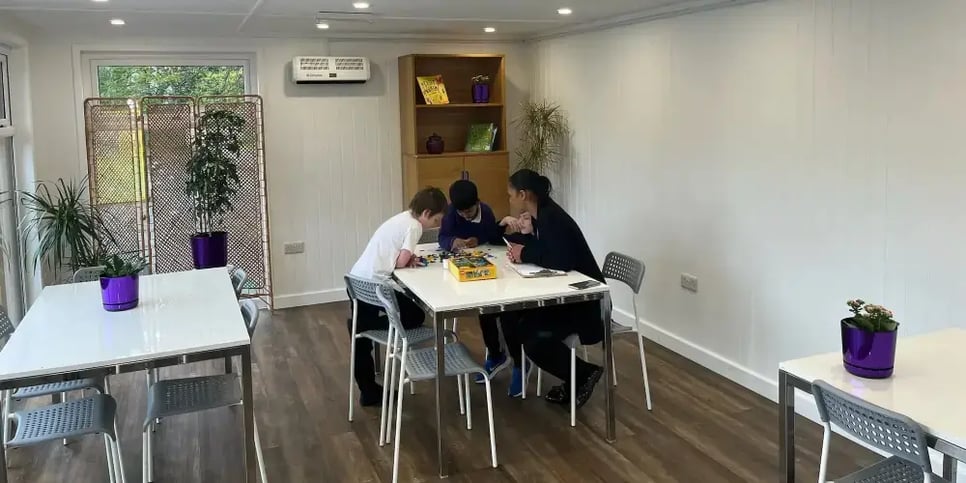
Creating an effective nurture space at your school is about designing an environment where students feel safe, supported, and ready to engage. With Cabins for Schools, we can support you to design and build a space ideal for helping pupils to manage their emotions, access targeted support and interventions, while also giving support staff a calm, functional area to deliver sessions consistently.
Whether it's a bespoke outdoor classroom style nurture room or a log cabin, it's important that the space is carefully designed with your pupils' needs at the centre. Choosing calming colours, offering accessible tools and resources, and ensuring maximum privacy with a standalone room will all positively contribute towards creating a safe and calming environment where pupils can thrive.
Contact us today to discuss your school’s requirements, or request a pricing guide to browse example nurture room project prices and find out more about our cabins.