
.webp?width=1900&height=630&name=technical%20skills%20blog%20banner%20(1).webp)
Andy Burnham is planning to reform secondary education in England, announcing an increased focus on technical education, practical learning and employability skills. He aims to give academic and technical education routes equal value, providing young people with more opportunities to develop practical or vocational skills alongside traditional qualifications. Of course, this may raise some interesting questions for schools: what does the government's shift in focus mean for secondary education? And are current learning environments ready to support more hands-on teaching?
What Has the Government Announced?
Burnham's proposal aims to give young people (from age 14) improved access to technical subjects, alongside traditional academic qualifications. They are also placing a greater importance on vocational courses, work experience and stronger links between schools and local employers.
Prime Minister Andy Burnham said:
“In a fundamental change to the education system, we will introduce new technical education pathways from 14 – prestigious routes that will give students the chance to combine the core academic subjects with the skills, technical knowledge and experience they need to get quality, well-paid jobs where they live. My message to young people is this - whether you choose construction, coding or classics, or maths, manufacturing or mechanics, you’ll get the skills you need and be given the respect you deserve.
Speaking about the reforms, Education Secretary Lucy Powell said:
"By offering high-quality technical and vocational education alongside academic achievement, we'll give more young people the chance to leave education with the skills, confidence and opportunities they need to thrive in today's economy and the careers of the future."
What Could This Mean for Schools?
The technical education reforms are still in the earlier stages, and details are yet to be confirmed. However, it's clear that secondary schools will see a greater emphasis on practical learning and employability over the coming years. Which naturally raises another question: are schools equipped with the right learning environments to deliver this style of teaching and learning?
Practical Learning Requires Practical Spaces
Of course, as designers and manufacturers of high-quality buildings for education, we understand just how important it is that schools have the right learning environments for practical, hands on learning in order to effectively facilitate technical education and skill-based vocational courses.
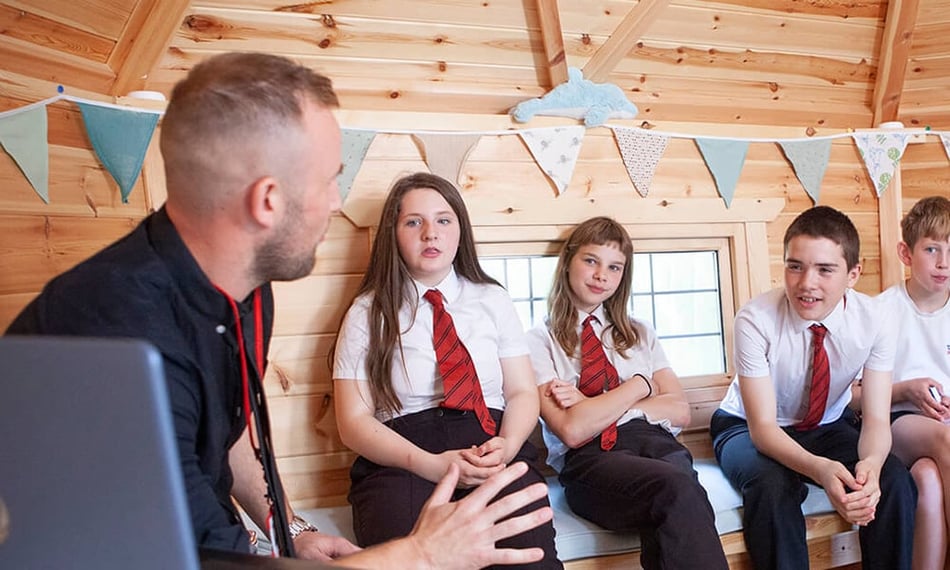
As many educators have experienced at some stage, traditional classrooms typically aren't suited to practical or technical learning. In secondary schools today, standard classrooms are designed for desks, screens and teacher-led instruction. While this setup benefits academic subjects, it doesn't provide the space that hands-on learning activities require.
Whether the vocational sessions involve STEM projects, construction, testing, engineering, design or life skills, pupils need to be able to move around, work collaboratively, and use the equipment and materials they require safely. Plus, having a proper space dedicated to this style of learning makes sessions much more engaging.
The type of space required will be subject dependent, so it doesn't necessarily mean that every secondary school needs a specialist workshop environment, but it's good to consider whether your school does in fact need an additional flexible space which can be used to facilitate access to skills-based learning.

Schools Are Already Creating Spaces for Hands-On Learning
Long before Burnham's reforms were announced, we have been working with schools and educational settings across the UK to develop practical learning environments.
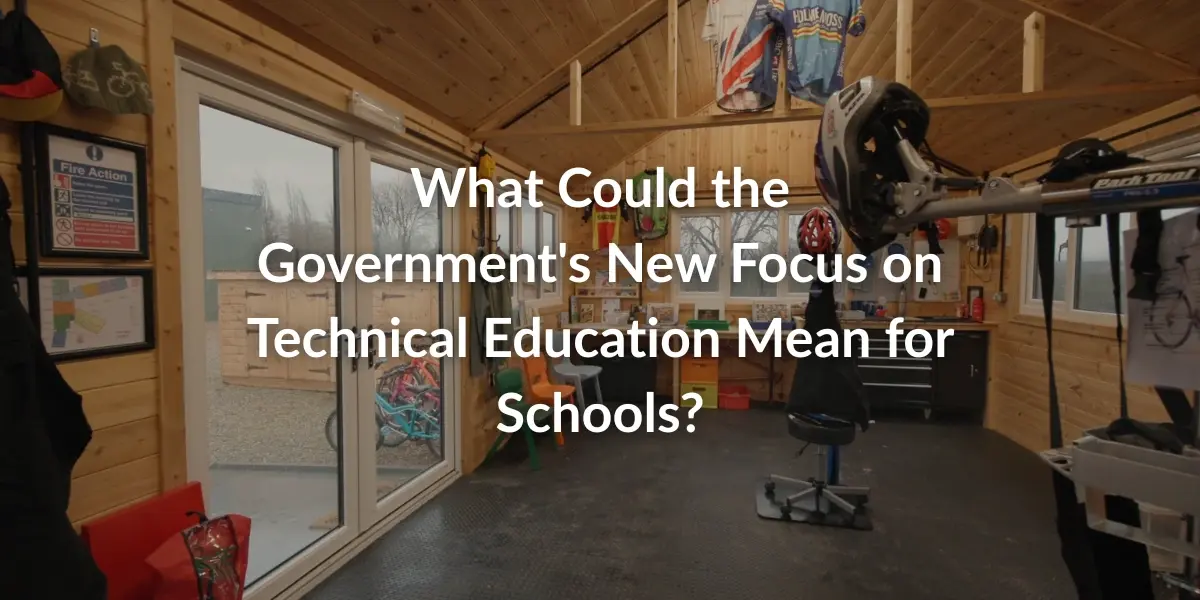
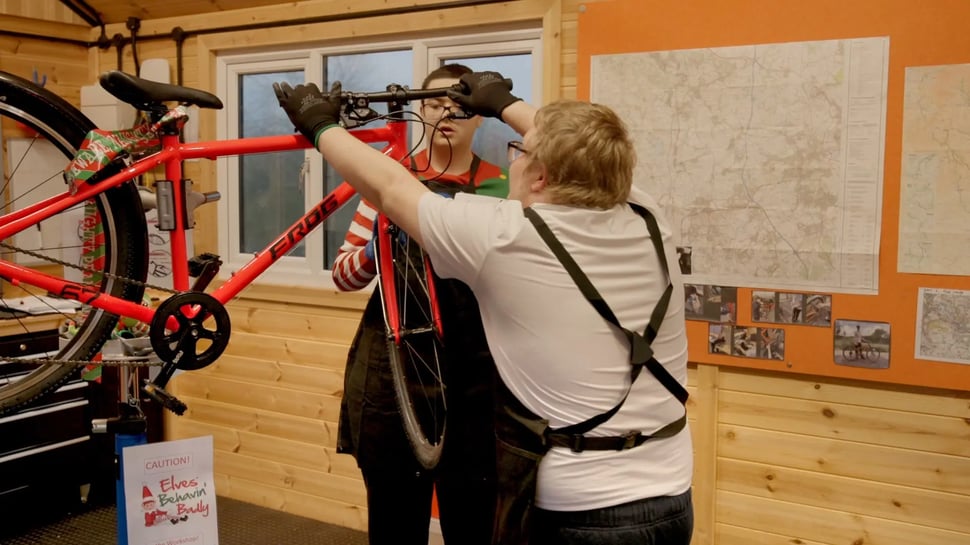
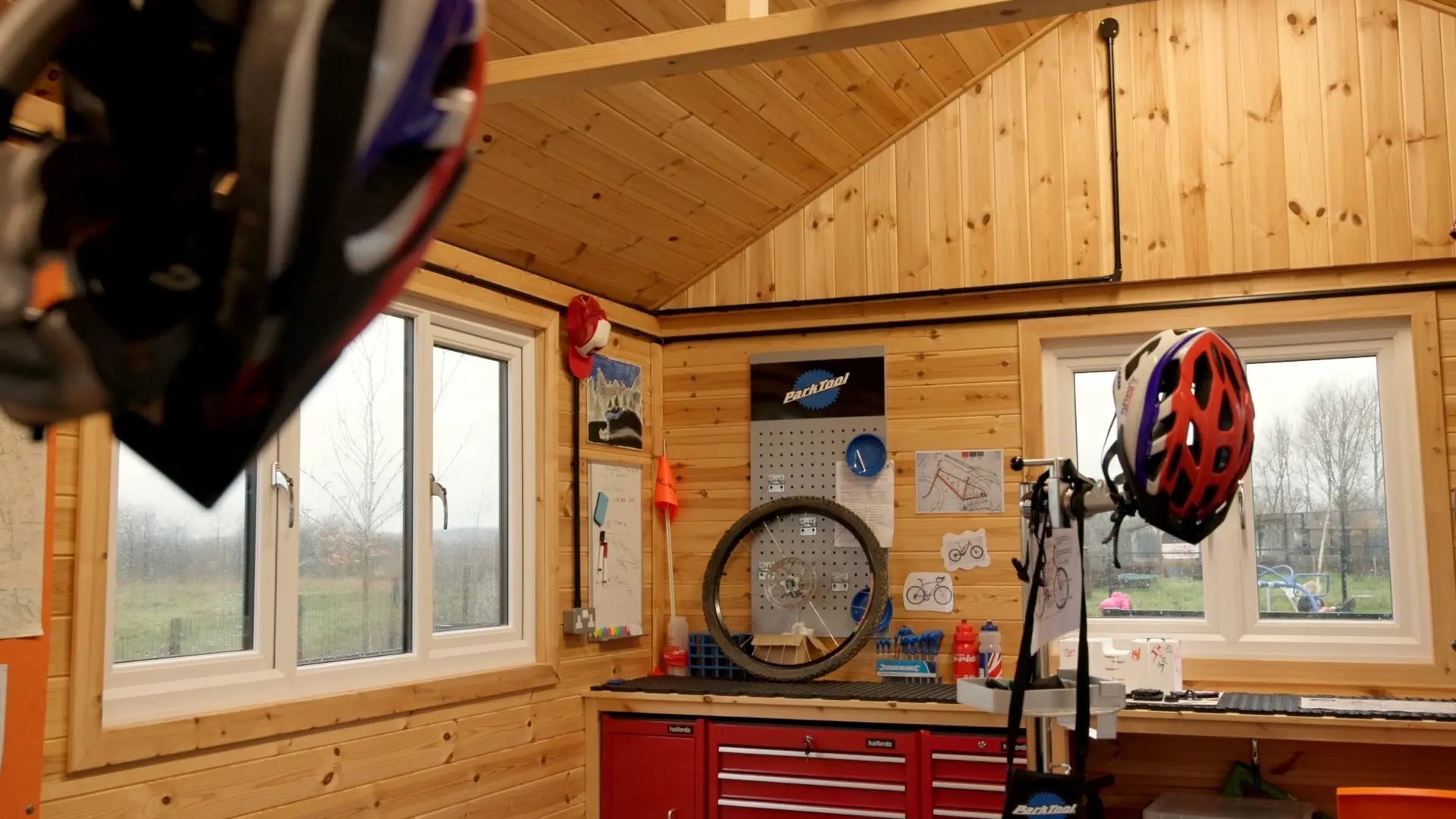
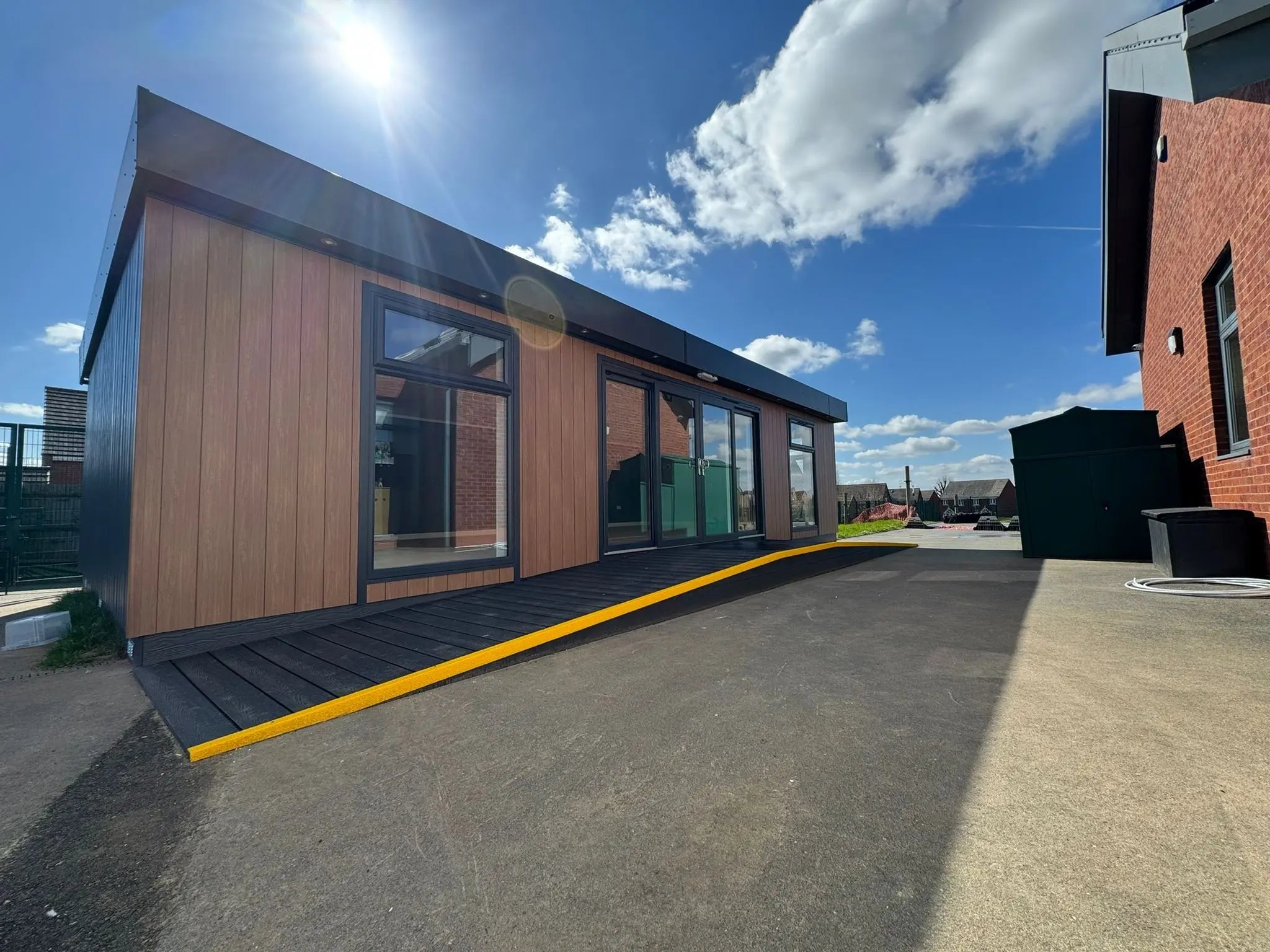
A key example would be Alfreton Park School located in Derbyshire. They wanted a dedicated workshop space for delivering practical, skills-based learning to support pupils as they develop essential everyday life skills and employability skills. We designed and installed their timber workshop building. It's used as a bicycle repair hub, providing a real workshop environment where pupils can develop confidence, gain qualifications and take ownership of a project they're proud to call their own. It's in here that the pupils learn a range of important skills, such as how to fix bikes.
Interestingly, the workshop has become much more than a place to fix bikes. It's a hugely valuable space for the school, where pupils can use the area for quiet reading, jigsaws or to get a cup of tea and reset ahead of the rest of their day. It really helps to support different pupils' interests and needs in a way that the traditional classroom may not. And Alfreton Park Schools' longer term plan is to develop the bicycle hub into a community resource, repairing donated bikes and potentially creating future employment opportunities for former pupils. It's a great case study showing what hands on learning can look like when pupils have the right environment around them, one that's built for practical learning and connected to the skills that they can then carry into the future beyond school.
What Could Technical Education Look Like in Schools?
A greater emphasis on skills-based and vocational education could mean creating more opportunities for pupils to learn through practical activities and projects. It will most likely align with the types of businesses operating in your local area, helping to form geographically relevant work and employability skills for pupils.
For some secondary schools, this may be possible within existing classrooms and facilities. For others, there may be a need for additional or dedicated spaces where pupils can work with equipment and resources without disrupting other lessons.
Depending on the activities a school wants to offer, this could mean creating:
-
Workshop spaces for design, construction, or practical projects
-
Outdoor learning spaces for horticulture sessions, gardening and environmental projects
-
Food preparation areas for catering and hospitality-related learning
-
Science and STEM spaces for creating extra space to allow more pupils to run experiments and collaborate in projects

 Planning for the Future
You school might wish to start thinking about how your learning environments can support an increase in practical education. If you're considering creating additional space for hands on learning, we'd encourage you to get in touch to discuss your project, or download your free digital pricing guide to browse our full range of buildings with pricing. Together, we can create the dedicated space your school needs to best support your students for their time at school and beyond.
References:
https://www.gov.uk/government/news/pm-from-today-britain-will-value-the-hard-hat-as-much-as-the-graduation-cap
https://www.tes.com/magazine/news/general/new-technical-education-routes-schools-need-to-know